Lovely Hearts Embroidery Design
As an embroidery designer and product reviewer, I’ve evaluated countless machine embroidery designs. Lovely Hearts stands out for its elegance and versatility, but it’s not a one-size-fits-all solution. Let me walk through how this design performs in real projects, what to watch for, and where it truly shines.
The First Impression: A Design That Speaks Romance
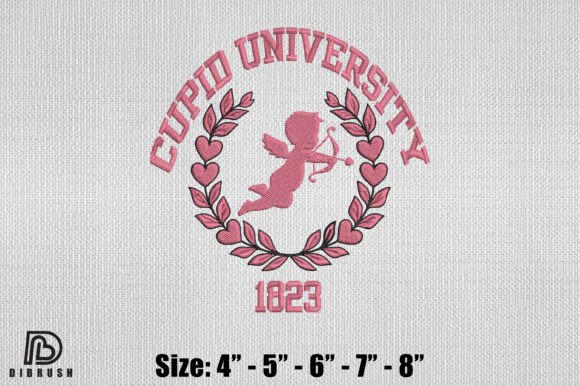
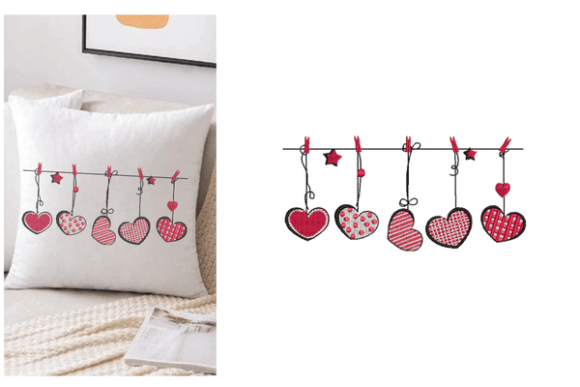
From the moment I opened the embroidery file, Lovely Hearts exuded a soft, romantic vibe. The heart shapes are delicate yet well-defined, with intricate detailing that suggests a focus on fine craftsmanship. The layout is balanced, making it ideal for projects that need a touch of class without overwhelming the fabric.
This design feels most at home on items like custom apparel, baby clothes, or holiday gifts. Its visual personality leans toward traditional Valentine’s Day themes, but the simplicity of the hearts allows it to work beyond just February. It’s a design that can be adapted for weddings, anniversaries, or even as a subtle motif on everyday items.
Real-World Use: Where Lovely Hearts Excels
I tested Lovely Hearts on a few different fabrics and projects. On a cotton tote bag, the design looked elegant and clean. The stitch density was just right—enough to hold up to wear but not so dense that it stiffened the fabric. For a sweatshirt embroidery project, the design maintained its shape and detail, especially when using a proper stabilizer.
On baby clothes, the design worked well, though I’d recommend using a lighter thread color to avoid over-stitching. As an applique design, it added a nice touch to a custom patch, and the satin stitch edges were smooth and professional-looking. For a holiday gift, such as a personalized kitchen towel, the design stood out without being too busy.
One of the strongest use cases for Lovely Hearts is as a digital embroidery file for Etsy sellers or small shop products. Its clean lines make it easy to incorporate into printable mockups, and the design assets are versatile enough to fit a range of branding styles.
Where to Be Cautious: Limitations and Considerations
While Lovely Hearts is beautiful, it’s not without its challenges. On smaller hoop sizes, the design can feel cramped, especially if you’re trying to fit multiple hearts in a single frame. This makes it less ideal for quick, high-volume projects.
On textured fabrics or thin materials, the design may not show up as clearly. I noticed some areas where the fill stitch didn’t sit flat, which could affect the finished product’s appearance. For stretchy fabrics, like those used in t-shirts, the design might pucker if not stabilized properly.
Dark fabric backgrounds can also be a challenge. The thread colors used in the design may not contrast enough, making the hearts less visible. I’d recommend testing the design on both light and dark fabrics before committing to a project.
For curved surfaces, such as caps or hoods, the design may require some adjustment to ensure the hearts align correctly. Tiny lettering or detailed corners can get lost if the stitch density isn’t right, so it’s important to review the file carefully before stitching.
Impact on Visual Appeal and Customer Perception
Lovely Hearts adds a level of sophistication to any embroidered product. When stitched properly, it elevates the visual appeal of custom apparel, handmade products, or personalized gifts. Customers often notice the attention to detail, which can increase perceived value and encourage repeat purchases.
For craft businesses, this design can help build brand consistency. Its classic look works well with a variety of color palettes and can be used across different product lines. As a commercial embroidery project, it offers a reliable, professional result that customers will appreciate.
When used in a digital product preview or printable mockup, the design provides a clear representation of what the finished product will look like. This helps buyers make informed decisions, especially when selling online or at craft fairs.
Practical Designer Notes: How to Get the Best Results
If you’re planning to use Lovely Hearts in your own projects, here are a few tips to keep in mind:
- Test on scrap fabric first to see how the design looks on your intended material.
- Check thread color contrast against the fabric to ensure visibility and harmony.
- Review stitch density to avoid stiffness or poor coverage.
- Confirm hoop size requirements to ensure compatibility with your machine.
- Inspect small details for any potential issues before finalizing a project.
- Test in black and white mockups to assess how the design will appear on different backgrounds.
- Use proper stabilizer for stretchy or delicate fabrics to prevent puckering.
- Verify licensing if you plan to sell finished items or digital products.
These steps can save time and prevent headaches down the line, especially when working on client projects or small business merchandise.
Final Thoughts: A Design That Needs Thoughtful Application
Lovely Hearts is a beautiful embroidery design that has a lot to offer. Its elegance and adaptability make it suitable for a wide range of projects, from custom apparel to holiday gifts. However, it requires careful consideration of fabric type, hoop size, and stitch settings to achieve the best results.
For embroidery designers, small business owners, and crafters, this design is a solid choice when used correctly. It’s not a “set it and forget it” file, but with the right approach, it can enhance your portfolio and customer satisfaction. Whether you’re creating handmade products for Etsy or designing for a boutique, Lovely Hearts is worth the effort—when applied with care.