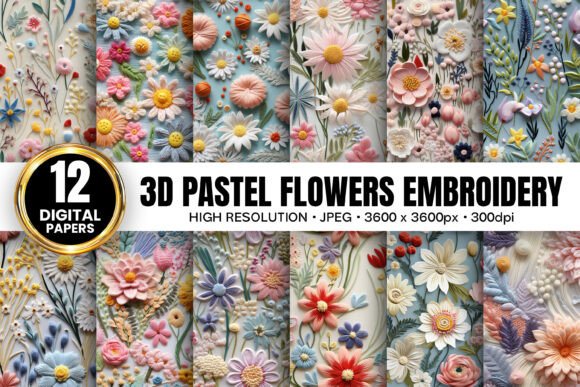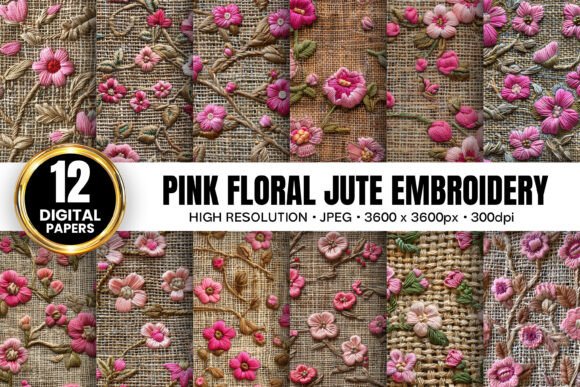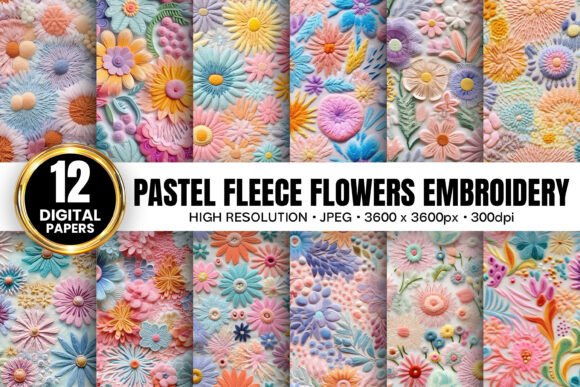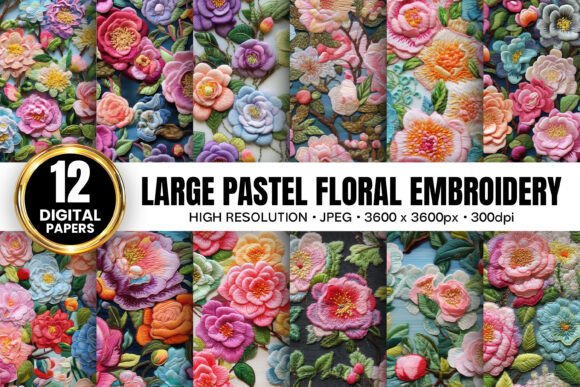
Pastel Pink Floral Embroidery Patterns
A Soft, Delicate Mood—Perfect for Thoughtful Handmade Projects
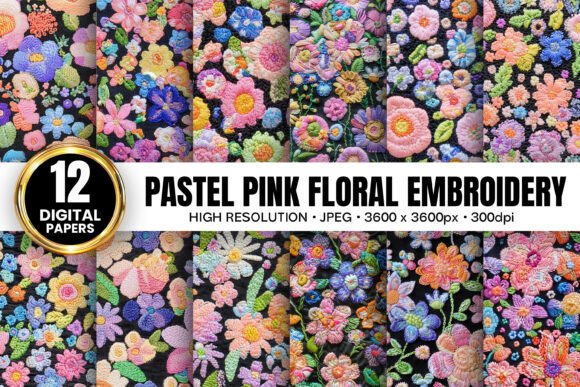
As an embroidery designer who’s stitched everything from bold logo patches to intricate heirloom baby blankets, my first impression of the Pastel Pink Floral Embroidery Patterns was immediate: this is quiet confidence in floral form. The collection doesn’t shout—it breathes. Gentle blooms, subtle vines, and airy negative space give these patterns a serene, almost tactile softness. They’re not overly detailed or fussy, but they’re far from generic. Each design carries a light-handed stitching personality: think satin stitch petals with delicate running-stitch stems, gentle fill-stitch backgrounds that won’t overwhelm, and seamless repeats that flow naturally across fabric without visible joins.
Real-World Fit: Where These Patterns Shine (and Where They Ask for Care)
I tested three designs from the Pastel Pink Floral Embroidery Patterns on actual production pieces—a linen kitchen towel, a cotton baby blanket, and a structured canvas tote bag—all destined for real customers. On the towel, the floral repeat added elegance without stiffness; on the blanket, it felt tender and age-appropriate for newborn photos; on the tote, it elevated a simple silhouette into something boutique-worthy. These patterns naturally suit projects where delicacy and intention matter: nursery decor, bridal shower gifts, small-batch apparel, and handmade shop displays.
That said, they’re not one-size-fits-all. Because these are digital papers (JPGs at 3600 x 3600 pixels, 300 DPI), they’re designed as graphics—not ready-to-stitch machine embroidery files. That means you’ll need to digitize them yourself or work with a digitizer before using them on an embroidery machine. If you're sourcing Creative Fabrica embroidery assets for commercial embroidery, confirm whether your workflow includes digitizing capability—or budget time for that step. Don’t assume “embroidery patterns” here means pre-digitized designs.
Practical Use Across Common Embroidery Surfaces
- Tote bags & aprons: Work beautifully on medium-weight woven fabrics. The scale holds up well when resized to fit standard hoops (4x4" to 5x7"). Just avoid cramming too much repeat into a tiny hoop—the seamless nature shines best with breathing room.
- Baby items & pillow covers: Ideal for low-density fills and soft thread choices (like 40-weight pastel poly or cotton). Their gentle contrast reads clearly even on light heather gray or oatmeal fabric.
- Sweatshirts & caps: Proceed with caution. These patterns weren’t built for high-stretch or curved surfaces out of the box. You’ll want to simplify density, add underlay, and test stabilizer layers thoroughly—especially on ribbed cuffs or cap fronts.
- Embroidered patches & applique designs: Excellent base graphics for custom patch layouts. Their clean edges and consistent line weight translate well into vector-based applique templates.
- Dark fabric applications: Since these are light-toned digital papers, mockups on black or navy require thoughtful thread color planning. Test contrast early—what reads softly on white may vanish on charcoal without adjusted stitch density or metallic or variegated thread accents.
How These Patterns Elevate Your Finished Product
The Pastel Pink Floral Embroidery Patterns don’t just decorate—they communicate care. When used intentionally, they reinforce brand consistency for makers who lean into calm, feminine, or wellness-aligned aesthetics. Customers notice the difference between “cute clip art” and thoughtfully scaled, harmonious repeat patterns. That perception boosts perceived value, supports higher pricing on Etsy or craft fairs, and increases engagement in product photography—especially flat lays and lifestyle shots where texture and tone unify the scene.
For personalized gifts or custom apparel, these patterns lend themselves to subtle personalization: a monogram tucked into a corner vine, or a single bloom repositioned beside a name. They also serve double duty as printable mockup backgrounds—use them in Canva or Photoshop to showcase embroidered products without needing physical samples for every listing.
Essential Embroidery Notes Before You Stitch
- Test on scrap fabric first—especially if working with textured weaves, terry cloth, or blends. What looks balanced on screen may shift on fabric.
- Review stitch density carefully. Dense fill areas may pucker on lightweight cotton or shift on knits. Consider reducing density by 10–15% for baby items or frequently washed goods like kitchen towels.
- Confirm hoop size and layout. These JPGs scale freely, but tight repeats can create unintended crowding in smaller hoops. Leave at least ¼" margin around all edges.
- Match stabilizer to fabric + stitch count. Tear-away works well for stable wovens; cut-away adds security for stretchy or unstable bases.
- Inspect small details post-stitch. Fine stems or petal outlines may blur if digitized too tightly—zoom in on your embroidery software preview and adjust minimum stitch length if needed.
- Verify licensing on the Creative Fabrica product page. As Graphics, these files likely allow commercial use for finished handmade products—but always confirm permissions for resale, especially if bundling into kits or offering as part of a subscription.
Final Thoughts for Designers and Makers
The Pastel Pink Floral Embroidery Patterns aren’t flashy—but they’re quietly versatile. They reward attention to detail, respect fabric behavior, and support a slower, more intentional approach to handmade product development. If your work leans toward thoughtful gifting, boutique apparel, or lifestyle-focused digital product bundles, these patterns offer strong foundational design assets. They won’t replace complex custom digitizing jobs—but they’ll elevate your sketchbook, streamline your mockup process, and bring cohesion to collections where mood matters as much as motif.
Just remember: what makes them special isn’t just their prettiness—it’s how gracefully they adapt to real hands, real machines, and real customers who choose handmade because they feel seen.